Navigating the Vietnam Visa Extension Process for Indians
The Vietnam Visa Extension Process for Indians can be a bit complex, but with the right information, it becomes manageable. If you’re an Indian citizen planning to stay longer in Vietnam, understanding this process is essential. This guide will provide insights into visa requirements, eligibility criteria, application procedures, required documents, and much more.
Understanding Vietnam Visa Requirements for Indian Citizens
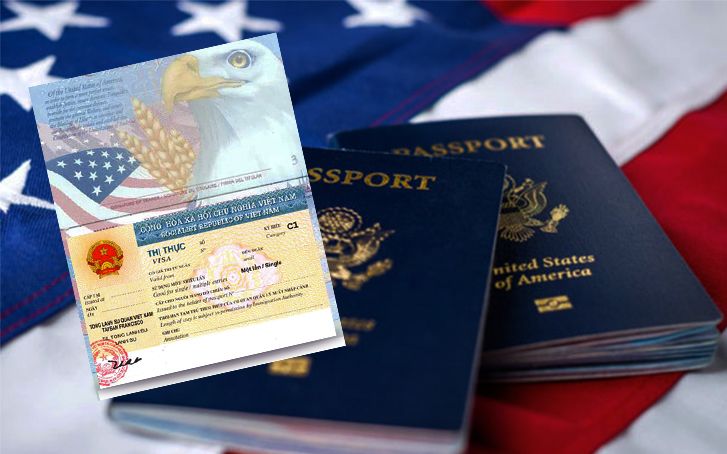
Before diving into the extension process, it’s crucial to understand the basic visa requirements for Indian citizens traveling to Vietnam. The Vietnamese government has established specific regulations that must be adhered to by foreign nationals, including Indians. This section outlines the types of visas available, duration of stay, and general guidelines for obtaining a visa.
Types of Visas Available
When considering travel to Vietnam, Indian nationals have several types of visas to choose from:
- Tourist Visa: This is the most common type of visa for travelers looking to explore Vietnam. It is typically valid for 30 days and can be extended once.
- Business Visa: For those traveling for professional reasons, the business visa allows for a stay of up to 90 days and may also be eligible for extensions depending on your purpose.
- Student Visa: If you are coming to Vietnam for educational purposes, you can apply for a student visa, which may vary in length based on your course duration.
- Work Visa: This visa is necessary for individuals employed in Vietnam and usually requires a work permit.
Understanding the type of visa you need will significantly impact your travels and plans within Vietnam.
Duration of Stay
Each visa type comes with its specific duration of stay:
- Tourist visas generally allow a one-time entry or multiple entries for a specified period.
- Business visas can range from single-entry for 30 days to multiple entries for 90 days or more.
- Student visas often last for the duration of the academic program but should be checked in advance.
It’s important to note that overstaying a visa in Vietnam can lead to penalties, so being aware of your visa’s validity is key.
Basic Visa Application Guidelines
To successfully apply for a visa to Vietnam, Indian citizens should follow these basic steps:
- Determine the appropriate visa type based on your travel purpose.
- Gather necessary documents, including a passport-sized photo, a valid passport, and any additional documentation relevant to your visa type.
- Submit your application either through the Vietnamese embassy in India, online via the e-visa system, or through a trusted travel agency.
Having a clear understanding of the visa requirements helps set the stage for a successful stay in Vietnam.
Eligibility Criteria for a Vietnam Visa Extension

Once you’ve arrived in Vietnam, you might find yourself needing to extend your stay. Not everyone is eligible for a visa extension, and it’s vital to understand the criteria set forth by the Vietnamese government to avoid complications.
General Eligibility
To qualify for a visa extension in Vietnam, you generally need to meet the following requirements:
- Valid Current Visa: Your current visa must still be valid at the time of applying for the extension. An expired visa cannot be extended.
- Clear Purpose of Stay: You should clearly state why you are seeking an extension, whether for tourism, business engagements, or other legitimate reasons.
- Compliance with Local Laws: You must not have violated any immigration laws during your time in Vietnam, such as engaging in unauthorized work or overstaying your visa.
Understanding these basic eligibility criteria can save you a lot of trouble when navigating the extension process.
Specific Considerations for Indians
Indian citizens planning on extending their visa in Vietnam should be mindful of additional factors that can influence their eligibility:
- Type of Visa Applied: Certain visa types may have stricter regulations regarding extensions. For instance, tourist visas may have limitations compared to business visas.
- Duration of Previous Stay: If you’ve already been in Vietnam for an extended period, authorities may scrutinize your extension request.
- Supporting Documentation: Providing thorough documentation that supports your reason for the extension can enhance your chances of approval.
Knowing these nuances can help Indian travelers approach their visa extension process more strategically.
Common Misconceptions about Extensions
There are several myths surrounding the visa extension process that can lead to confusion:
- “I can always extend my visa”: While extensions are possible, they are not guaranteed. Each application is subject to approval based on specific criteria.
- “All visa types can be extended easily”: As mentioned earlier, some visa categories come with restrictions that make extensions less straightforward.
Being aware of these misconceptions can prevent delays and frustrations down the line.
The Vietnam Visa Extension Application Process: A Step-by-Step Guide
Now that you’re aware of the eligibility criteria, it’s time to delve into the actual application process for extending your visa in Vietnam. Knowing the step-by-step procedure ensures you’re well-prepared and can navigate the bureaucracy smoothly.
Step 1: Determine Where to Apply
There are two primary avenues available to Indian citizens seeking a visa extension in Vietnam:
- In-Person Application: This involves visiting the local immigration office in the city where you reside.
- Online Application: Some travelers may opt to use online services, which can simplify the process significantly.
Your choice will depend on personal preferences and circumstances, like how long you plan to stay in the country.
Step 2: Gather Required Documents
Before proceeding, ensure you have all necessary documents ready. Generally, you’ll need:
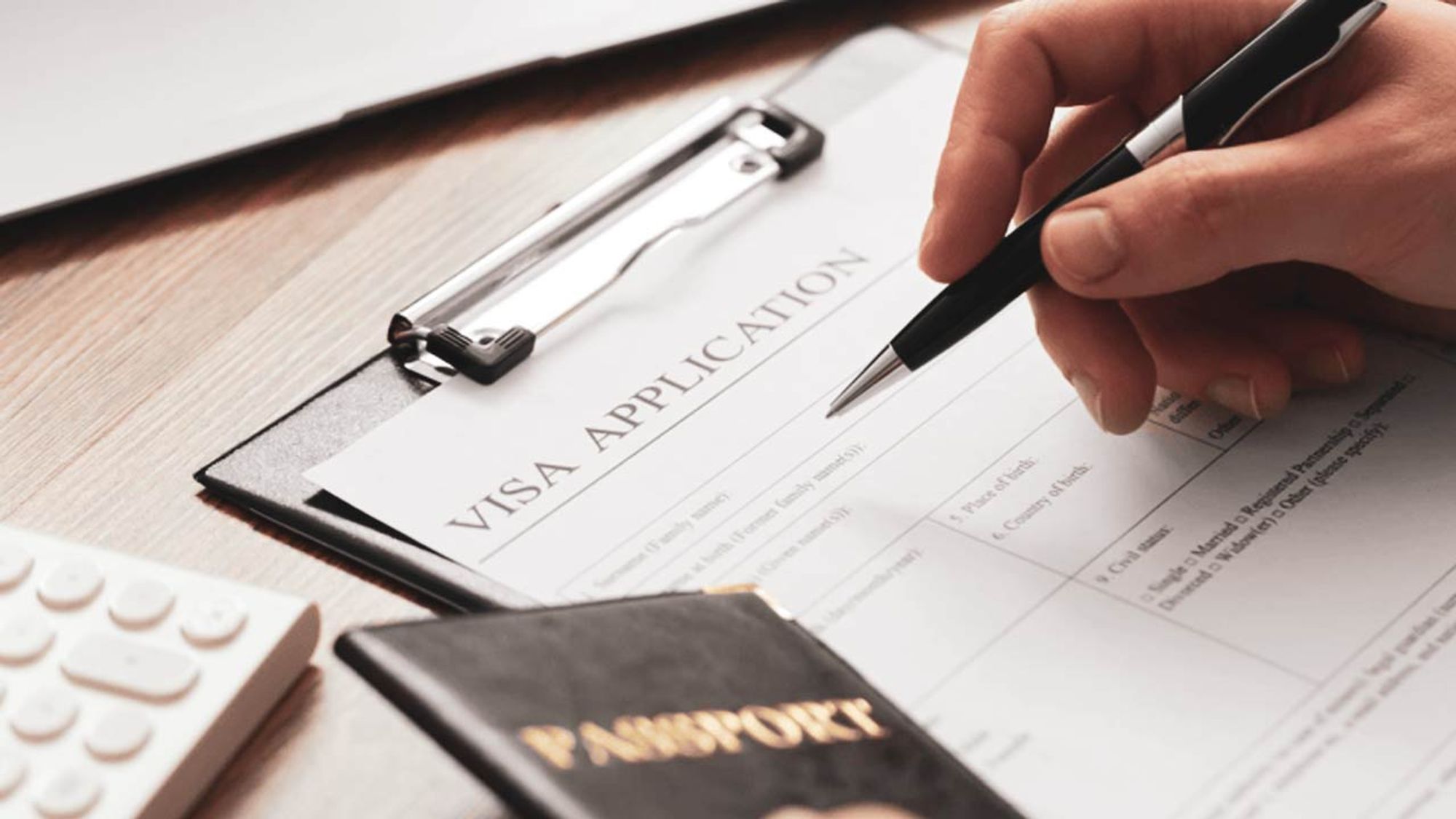
- Completed Application Form: This form can be obtained online or at the immigration office.
- Passport: Ensure your passport is valid for at least six months beyond your requested extension date.
- Photos: Typically, one to two recent passport-sized photographs are required.
- Proof of Payment: Payment for the extension fee must accompany your application.
Having these documents organized ahead of time streamlines the process.
Step 3: Submit Your Application
Following the preparation of documents, you’ll need to submit your application:
- In person: Visit the nearest immigration office and present your documents. Be prepared to answer questions about your stay and intentions.
- Online: If applying online, upload scanned copies of your documents. Make sure you receive confirmation of your submission.
Step 4: Wait for Processing
Processing times can vary depending on the workload of the immigration office and the complexity of your case. Generally, expect anywhere from a few days to a couple of weeks.
Step 5: Collect Your Extended Visa
Upon approval, you’ll either receive a new visa sticker in your passport or an official stamp confirming your extended stay. It’s essential to verify that all details are correct before leaving the immigration office.
Following these steps ensures a structured approach to your Vietnam visa extension.
Required Documents for a Vietnam Visa Extension
In order to facilitate a smooth visa extension process, it’s critical to gather all necessary documents beforehand. Missing or incomplete paperwork can lead to delays or even rejection of your application.
Key Documentation Checklist
The following list outlines the essential documents required when applying for a visa extension in Vietnam:
- Passport: Must be valid, with at least six months’ remaining validity.
- Visa: A copy of your existing visa, along with any previous extensions (if applicable).
- Application Form: Completed visa extension application form.
- Photos: Recent passport-sized photographs as per specifications.
- Proof of Payment: Receipt of payment for the extension fee.
- Supporting Documents: Depending on your reason for extending your stay, additional documents may be required (e.g., a letter from your employer for a business visa extension).
Ensuring that each document is accurately prepared and submitted can significantly improve your chances of receiving a timely extension.
Additional Supporting Documents
Depending on the nature of your stay, you may also need to include:
- Letter of Invitation: For business visa extensions, a letter from your Vietnamese sponsor or company may be necessary.
- Travel Itinerary: If you can provide proof of onward travel plans, it may strengthen your application.
- Accommodation Details: Proof of where you are staying (hotel bookings or rental agreements) can also be beneficial.
Collecting supporting documents demonstrates your commitment to complying with Vietnam’s immigration policies.
Importance of Accuracy
It’s crucial to double-check all documentation before submitting your application. Errors or inconsistencies can lead to complications, delays, or outright denials. Pay close attention to:
- Spelling errors
- Incorrect dates
- Missing signatures
A meticulous approach reflects well on your application and increases the likelihood of success.
Fees and Processing Time for Vietnam Visa Extensions
Understanding the financial aspect of the visa extension process is vital for budgeting your stay in Vietnam. This section covers the typical fees associated with extensions, as well as the expected processing times.
Visa Extension Fees
The cost of extending your visa varies depending on several factors:
- Type of Visa: Different visa categories have different extension fees. Business visa extensions may be more expensive than tourist visas.
- Length of Extension: Fees can vary based on how many days you wish to extend your stay. Longer extensions typically incur higher costs.
On average, expect to pay between $10 to $50 for a standard extension, but this can fluctuate based on the above factors.
Processing Time
Processing times are another key consideration when applying for a visa extension. Factors influencing this timeline include:
- Immigration Office Workload: Busy seasons, like holidays or peak tourist periods, can increase processing times.
- Completeness of Your Application: Incomplete applications or missing documents can delay processing further.
Typically, processing times can range from:
- 3 to 5 business days for straightforward extensions.
- Up to two weeks or longer for more complicated cases or when additional documentation is required.
Being aware of potential delays can help you manage your travel plans accordingly.
Payment Methods
When it comes to paying for your visa extension, different locations may accept various forms of payment:
- Cash Payments: Most immigration offices prefer cash payments in local currency (Vietnamese Dong).
- Credit/Debit Cards: Some offices may allow card payments, though this is less common.
Checking in advance with the specific immigration office where you’ll submit your application can save time and frustration.
Extending your Vietnam Visa: Applying in Person vs. Online
While applying for a visa extension in Vietnam, travelers have the option to apply either in person at an immigration office or online. Each method has its advantages and disadvantages, which we will explore in detail below.
Applying in Person
Visiting an immigration office directly provides a more traditional approach to applying for a visa extension. Here are some pros and cons of this method:
Advantages:
- Direct Communication: You can ask questions and clarify doubts immediately with immigration officers.
- Immediate Feedback: You can receive immediate confirmation regarding your application status or any issues that may arise.
- Paper Submission: Some travelers prefer handing over physical copies of their documents.
Disadvantages:
- Time-Consuming: Visiting an office can often involve long queues and waiting times.
- Limited Hours: Immigration offices generally have restricted hours, requiring careful planning around your visit.
Applying Online
The online application process offers a modern solution for travelers looking to extend their visas. Below are some of the benefits and drawbacks of this approach:
Advantages:
- Convenience: You can complete the application from the comfort of your home without dealing with long lines.
- Faster Processing: For many, online applications are processed more quickly than in-person submissions.
- 24/7 Access: The ability to apply at any time means you are not restricted by office hours.
Disadvantages:
- Less Personal Interaction: Any questions or concerns have to be addressed through email or chat, which can sometimes be slower.
- Technical Issues: The online platform may experience technical glitches, potentially delaying your application.
Choosing the right method depends on your personal preferences and urgency.
Which Method is Right for You?
The decision on whether to apply in person or online ultimately hinges on your individual needs and circumstances. Consider factors such as:
- How comfortable you are with online systems.
- The timeframe in which you need the extension.
- Your access to an immigration office and willingness to wait in line.
Carefully evaluate each option to determine the best fit for your situation.
Common Reasons for Visa Extension Rejection and How to Avoid Them
While many applications for visa extensions are approved, some do face rejection. Understanding the common pitfalls can help you navigate the process effectively.
Frequent Reasons for Rejection
Several factors contribute to the denial of visa extension requests:
- Incomplete Documentation: Submitting an incomplete application or lacking required documents is one of the most common reasons for rejection.
- Outdated Visa: Trying to extend a visa that has already expired will almost certainly lead to denial.
- Violations of Immigration Laws: Any previous violations, such as overstaying your visa or engaging in unauthorized work, can result in a rejection.
- Insufficient Justification: Failing to provide a compelling reason for needing an extension may lead to rejection.
By understanding these factors, you can take proactive measures to improve your chances of obtaining an extension.
Tips for Increasing Your Chances of Approval
Several strategies can bolster your application for a visa extension:
- Thoroughly Review Your Application: Before submission, double-check that all sections are complete and documents are accurate.
- Provide Supporting Evidence: Including letters or documentation that explain your reason for the extension can strengthen your case.
- Stay Within Legal Boundaries: Always adhere to local laws and regulations throughout your stay.
- Seek Professional Help if Needed: If you feel overwhelmed, consider consulting with professionals who specialize in visa applications.
These tips can help ensure that your submission stands out favorably to immigration officers.
What to Do If Your Application Is Rejected
If your application does face rejection, don’t panic. You can take the following steps:
- Understand the Reason: Carefully review the rejection notice to identify what went wrong.
- Consider Appeal Options: Some rejections can be appealed, while others may require a fresh application altogether.
- Consult Legal Experts: If necessary, consult with immigration lawyers or agencies who can offer guidance on next steps.
Addressing the situation calmly and strategically will aid in finding a resolution.
Contact Information and Resources for Assistance with Vietnam Visa Extensions
Navigating the visa extension process can be complex, but numerous resources are available for assistance. This section provides contact information and advice on how to leverage these resources effectively.
Governmental Resources
For the most accurate and updated information, always refer to official sources:
- Vietnam Embassy in India: They can provide personalized advice based on your specific situation and assist with any inquiries.
- Website: Vietnam Embassy
- Phone: +91 11 2611 6720
- General Department of Immigration: The official website of Vietnam’s General Department of Immigration provides guidelines on visa policies.
- Website: Immigration Department Vietnam
Always check these sites for updates on procedures and regulations.
Travel Agencies
Many reputable travel agencies offer assistance with visa applications, including extensions. Engaging a travel agency can streamline the process and reduce stress:
- Look for agencies specializing in Vietnamese tourism or visa services.
- Check reviews and testimonials to ensure reliability.
Using travel agencies can save both time and effort, especially for first-time applicants.
Online Forums and Communities
Joining online forums or communities dedicated to expatriates living in Vietnam can provide valuable insights:
- Facebook Groups: There are numerous groups where travelers share experiences and advice regarding visa extensions.
- Reddit: Subreddits focused on Vietnam can also be helpful for gathering information and tips.
Engaging with others who have gone through the same process can equip you with practical knowledge.
Conclusion
Navigating the Vietnam Visa Extension Process for Indians requires a solid grasp of the necessary requirements, eligibility criteria, and application procedures. By being well-informed and prepared, Indian travelers can enhance their chances for successful visa extension applications and continue enjoying their time in beautiful Vietnam.